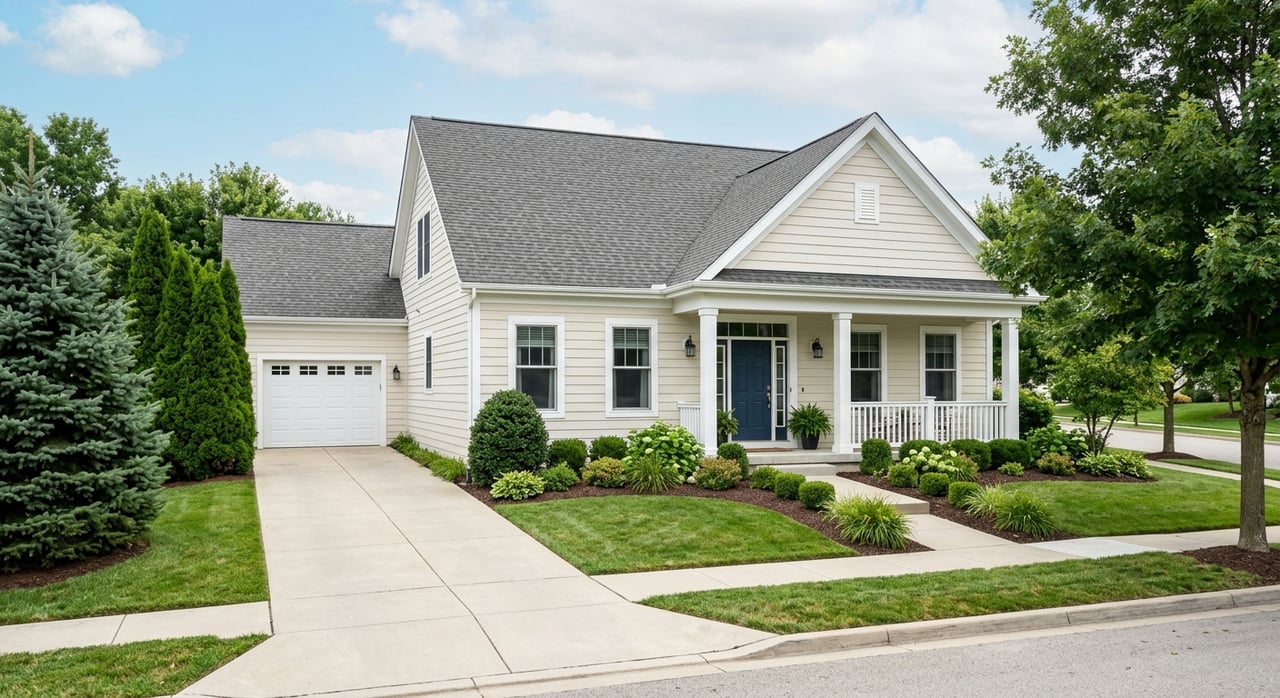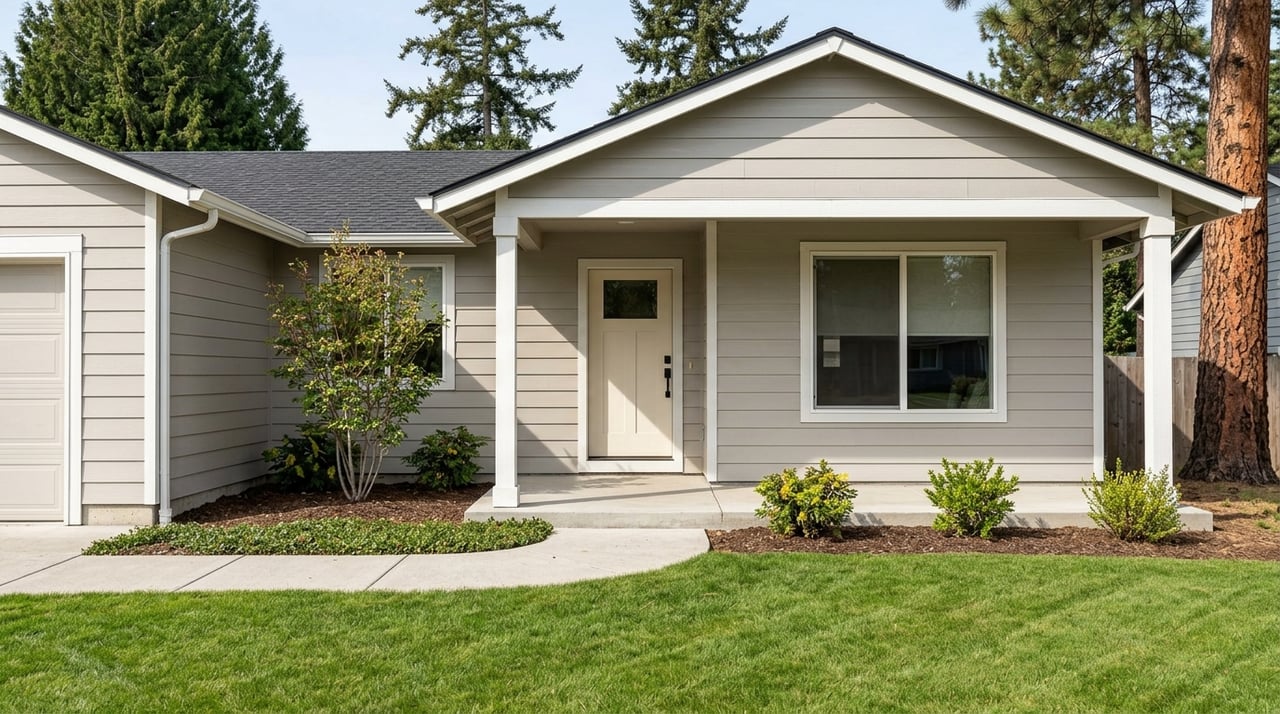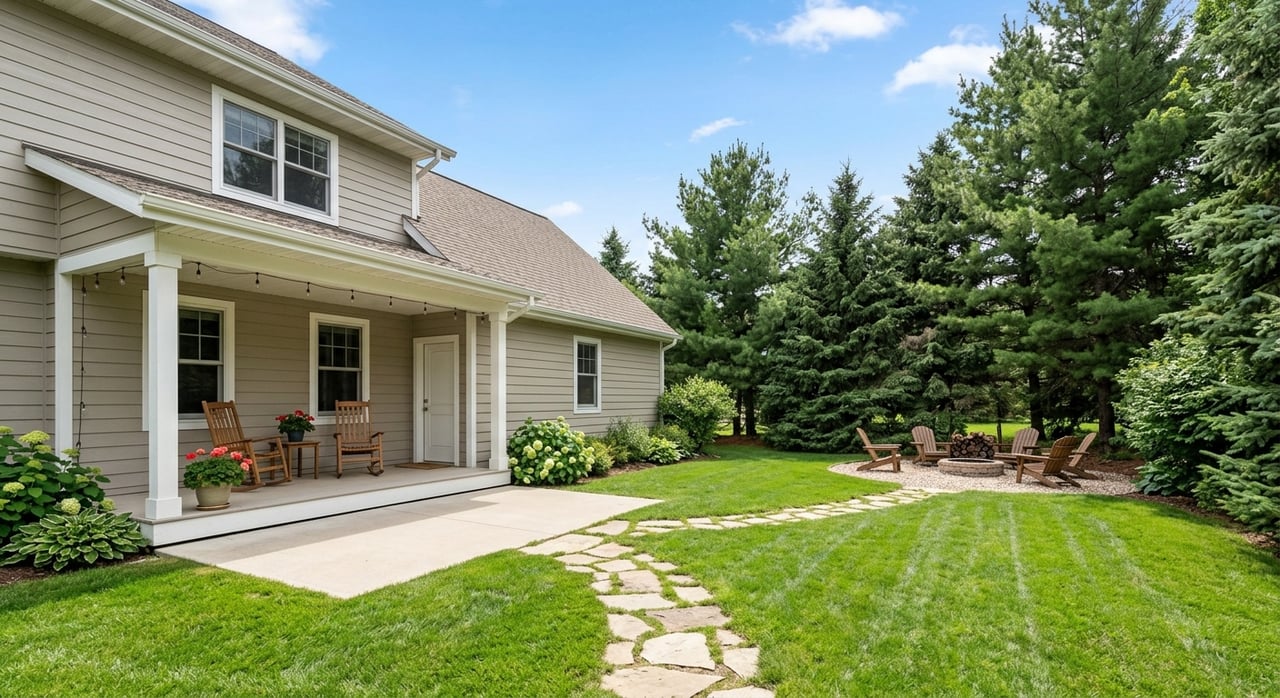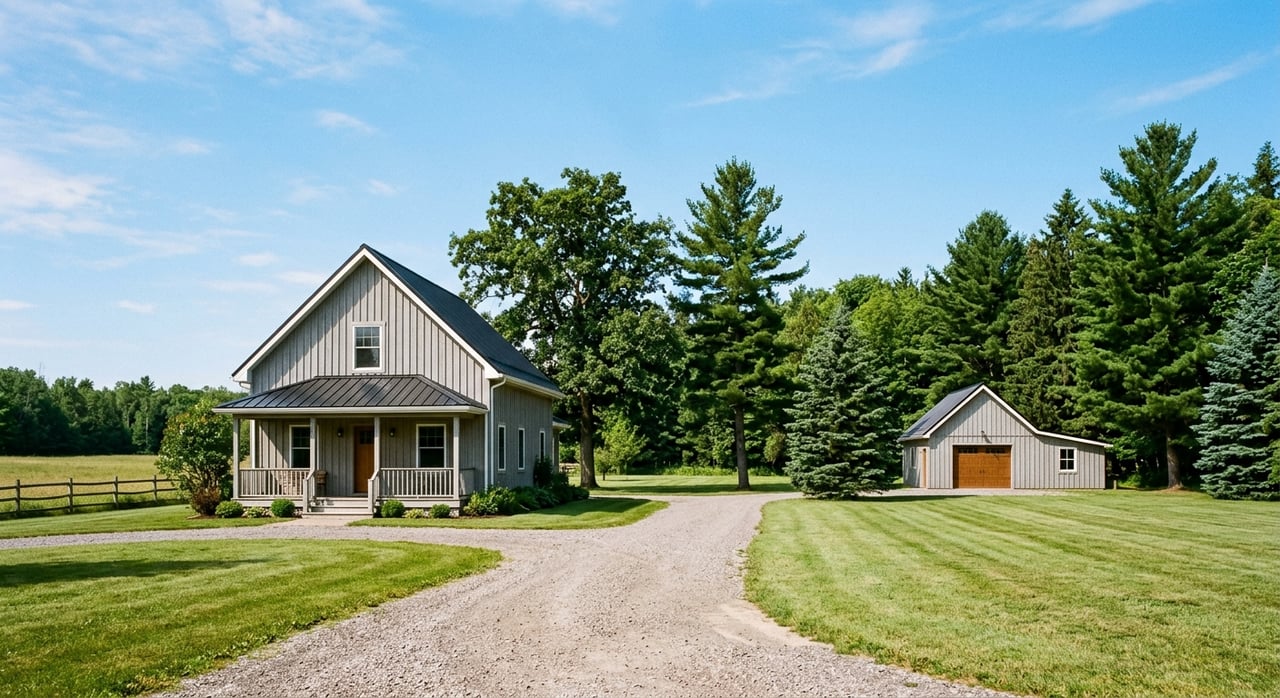
If you picture acreage living as equal parts freedom and responsibility, Dalton Gardens will likely feel familiar in the best way. This is a place where larger lots, open space, and a semi-rural setting are part of the city’s identity, not just a marketing phrase. If you are wondering what day-to-day life really looks like here, this guide will help you understand the pace, property rules, and practical details that shape ownership. Let’s dive in.
Why Dalton Gardens Feels Different
Dalton Gardens is designed to stay more rural than urban. The city’s adopted comprehensive plan highlights large lots, open space, and parks as guiding principles, while commercial uses are mostly concentrated along Government Way. That means most of the city remains focused on residential living rather than dense mixed-use growth.
Residents have described Dalton Gardens as safe, peaceful, quiet, and rural in city survey work. The city also describes itself as semi-rural with close access to services. For many buyers, that combination is the appeal: you get elbow room and a calmer setting without feeling cut off from everyday needs.
What Daily Life on Acreage Can Feel Like
Acreage living in Dalton Gardens tends to feel more grounded in the land than a typical subdivision. The city sits on the eastern edge of the Rathdrum Prairie, with a relatively flat core and areas to the north and east that rise toward more forested terrain near Canfield Mountain. That shift in landscape can make one property feel very different from another.
You may notice a quieter streetscape here. The city discourages street lighting in residential areas and limits new sidewalks and curbs in the residential district except in limited repair or safety cases. That helps preserve a more rural atmosphere, but it also means the look and feel may be less polished and more natural than in newer suburban neighborhoods.
Wildlife is part of the experience too. The city says wildlife, livestock, and humans can coexist, but it also warns residents not to feed wildlife and specifically prohibits deer attractants like stored food or seed. Deer are common enough that the city has identified impacts on gardens and traffic flow.
Large Lots Shape the Lifestyle
Dalton Gardens is not set up for dense growth. The residential code requires a minimum one-acre lot size and 110 feet of public street frontage, and the city says those standards are intended to preserve the residential district from unplanned growth. In practice, that means new residential lot creation is rare.
This matters because acreage here is not just about having a bigger yard. It is part of a larger pattern the city is actively trying to maintain. If you want a setting with established parcels, detached homes, and more breathing room between neighbors, Dalton Gardens can be a strong fit.
What You Can Usually Do With a Property
The city’s planning documents support crops, agricultural activities, farm animals, livestock ownership, animal husbandry, large lots, and hobby farms in the residential district. For buyers who want room for gardens, equipment, or small-scale rural uses, that is an important part of the local character. Dalton Gardens is one of those places where open land is meant to stay useful, not just decorative.
That said, every property still needs a closer look. Setbacks, parcel history, easements, and utility placement can all affect what is realistic. It is smart to think in terms of “possible with verification” rather than assuming every acreage parcel works the same way.
Limits Buyers Need to Know
Acreage does not mean unlimited flexibility. Residential properties are limited to one single-family dwelling unit per acre or single lot, whichever is less. Accessory dwelling units are prohibited, and living in any structure other than the primary residence is also prohibited.
That is a key point if you are hoping to add a guest cottage, detached in-law setup, or similar second living space. Dalton Gardens may be a poor fit for that goal under the current code. Buyers with multigenerational living plans should verify options early before getting attached to a property.
Parcel history can also matter more than many buyers expect. The code includes exceptions for some older parcels created in different time periods, so whether a lot is buildable or how it can be used may depend partly on when and how it was created. This is one of those details that can change the answer to a big question.
Fences, Shops, and Property Layout
The look of acreage living is also shaped by the fence code. Front-yard fences can be up to 4 feet high, while rearward fences may be up to 6 feet. Wire mesh fences may go up to 8 feet if they are set well back from street edges.
The code also allows certain wire or rail fences for large livestock, such as horses and cows, to be 5 feet high and potentially placed within front-yard setbacks. That helps explain why some properties feel more agricultural in layout than suburban. It also shows how local rules support the city’s rural pattern.
If you are planning a shop or outbuilding, placement is important. You cannot assume you can build wherever open space appears available. Setbacks, fence rules, and irrigation easements may all influence where structures can go.
Utilities Work a Little Differently Here
One of the biggest practical differences in Dalton Gardens is that utilities are a mix of private and public companies, and the city does not own or control them. Domestic water comes from the Dalton Water Association, which identifies itself as a private, nonprofit, member-owned community water system. Irrigation water is separate and comes from the Dalton Irrigation District, while Avista is listed for electric and gas service.
For buyers used to a standard city utility setup, this can feel a little different at first. It is not necessarily complicated, but it does mean you should understand each service separately during due diligence. Water, irrigation, septic, and utility access are all part of the property story.
Septic Is Part of the Ownership Picture
Residential Dalton Gardens is generally a non-sewered area. The city code requires proof of septic pumping every five years, and the comprehensive plan states that the residential district is maintained as non-sewered. For most acreage buyers, septic is simply part of normal ownership here.
This does not have to be a drawback, but it is something to plan for. Before you buy, it helps to review available septic records and understand the maintenance history. A property with land and privacy often comes with a few more systems to keep track of.
Irrigation and Easements Matter
In Dalton Gardens, irrigation is not just a side note. The irrigation district requires encroachment permits for berms, trees, and fences within its easements. It also states that nothing should be built or planted within 20 feet on either side of irrigation mains without written approval.
That can affect landscaping, fencing, and where you place improvements. If you are dreaming about a garden expansion, a new outbuilding, or changes to the front approach, easements need to be part of the plan. This is one reason acreage purchases benefit from careful property-specific review.
Land Conditions Can Affect Upkeep
Because most of Dalton Gardens lies over the Spokane Valley-Rathdrum Prairie Aquifer, the city emphasizes hillside and site-disturbance rules to help protect it. The comprehensive plan also notes runoff and erosion concerns on slopes near Canfield Mountain. So while some lots may feel open and easy to maintain, others may require more attention to drainage and site conditions.
That can show up in everyday ownership in practical ways. Depending on the parcel, you may need to think more about weeds, stormwater, defensible space, and how changes to the land affect runoff. Buyers who enjoy managing land often see this as part of the lifestyle rather than a burden.
Who Dalton Gardens Usually Fits Best
Dalton Gardens is still overwhelmingly residential by policy, with about 90 percent of the community zoned Residential according to the comprehensive plan. Land use is described as generally stable, with very few zone changes. New subdivisions are rare, so the market tends to favor detached single-family homes on established parcels.
That often makes Dalton Gardens a strong fit if you want room for gardens, storage, hobby-farm uses, or small-scale animal keeping and you are comfortable with more hands-on property management than a standard suburban lot usually requires. It can also appeal to buyers who value a quieter setting and a more rural streetscape while staying close to services.
It may be less ideal if your top priority is maximizing density, adding an ADU, or finding a property with a more traditional city utility setup. In Dalton Gardens, the appeal is not convenience in every sense. It is space, flexibility within a rural framework, and a lifestyle shaped by the land.
If you are considering a move here, the biggest takeaway is simple: acreage living in Dalton Gardens can be rewarding, but it works best when you go in with clear expectations. Verifying frontage, parcel history, septic records, easements, and any plans for animals or outbuildings can save you time and stress later. That kind of upfront clarity is what helps you enjoy the lifestyle once you move in.
If you want help sorting through Dalton Gardens properties and figuring out which ones truly fit your goals, Natalie Priebe can help you look past the listing photos and focus on what day-to-day ownership will really feel like.
FAQs
What does acreage living in Dalton Gardens feel like day to day?
- Acreage living in Dalton Gardens often feels quiet, spacious, and more rural than suburban, with larger lots, limited residential street lighting, fewer urban-style improvements, and close proximity to services.
Can you add an ADU or guest cottage in Dalton Gardens?
- No. Under the current residential code, accessory dwelling units are prohibited, and living in a structure other than the primary residence is not allowed.
Do Dalton Gardens homes usually have septic systems?
- Yes. The residential district is generally non-sewered, and the city requires proof of septic pumping every five years.
Can you keep animals on acreage in Dalton Gardens?
- The city’s planning documents support agricultural activities, livestock ownership, and hobby-farm uses in the residential district, but you still need to verify parcel-specific rules, setbacks, and easements.
Why do easements matter for Dalton Gardens acreage properties?
- Easements matter because irrigation district rules can limit where you place fences, trees, berms, and other improvements, especially near irrigation mains.
What should buyers verify before buying acreage in Dalton Gardens?
- Buyers should verify lot frontage, parcel history, septic records, irrigation easements, and any plans for outbuildings, fencing, animals, or other property changes.