Thinking about buying a Coeur d'Alene property to use as a short-term rental? That can be a smart move, but only if you understand the rules before you write an offer. In Coeur d'Alene, short-term rentals are allowed, but they are closely regulated, and the details can affect everything from your financing plan to your expected return. This guide breaks down what the city’s short-term rental rules mean for you as a buyer, what to verify before closing, and how to spot properties with stronger STR potential. Let’s dive in.
How Coeur d'Alene Defines a Short-Term Rental
In Coeur d'Alene, a short-term rental is a residential dwelling rented for 30 days or fewer. If the stay is 30 days or less, the city requires an approved permit before you advertise or rent the property, according to the city code.
If the rental term is longer than 30 days, the city treats it as a standard month-to-month rental instead of a short-term rental. That distinction matters because your property strategy, compliance steps, and tax setup can change based on the length of stay.
Why the Permit Rules Matter to Buyers
One of the biggest things buyers need to know is that Coeur d'Alene requires an STR permit for any property rented for 30 days or less. The permit is tied to a specific dwelling, and it is not transferable when the property sells or title changes, as explained in the city's STR regulations.
That means you cannot assume the seller’s current STR setup carries over to you. Even if the home has been operating as a short-term rental, you will need to apply for your own permit after purchase if you plan to continue that use.
The permit is annual, expires on March 31, and renewal applications are due by March 1. The city also states there is no grandfathered use, so every STR must have a valid permit. On the city’s vacation rental page, the current fee schedule shows $285 for a first-year permit and $180 for renewals.
Where STRs Are Allowed
Coeur d'Alene is not a ban market for short-term rentals. The city code says STRs are permitted as of right in residential and commercial zones, as well as MH-8 and DC, subject to zone-specific standards and permit requirements under the municipal code.
That is good news for buyers, but it does not mean every property is equally workable. You should still verify the parcel on the city’s zoning district map and confirm whether the property is part of a Planned Unit Development, since PUDs can have unique conditions.
Why Some Properties Work Better
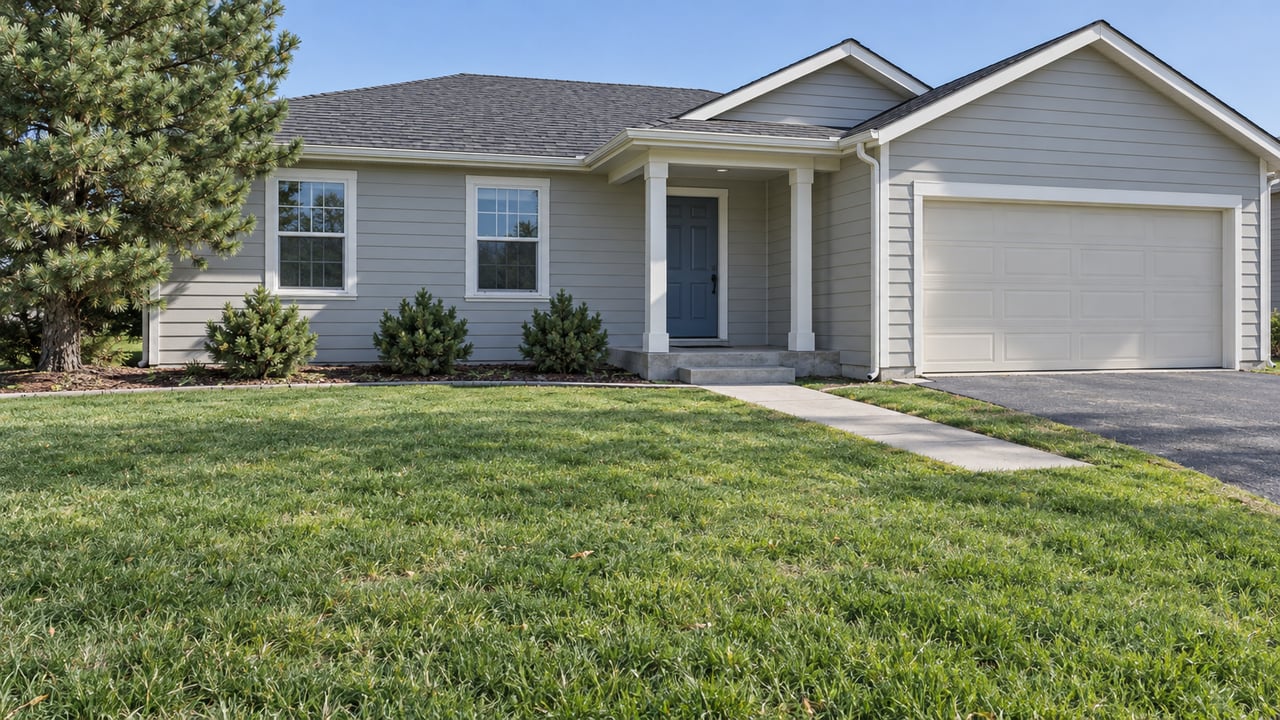
In practice, the easiest STR properties are often the ones that already fit the city’s operating rules without major changes. Homes with enough off-street parking, straightforward trash storage, and a layout that supports smooth guest turnover are usually easier to manage under the code.
That matters because the city’s rules go beyond zoning. They affect how the property functions day to day, and those details can shape guest experience, neighbor relations, and your long-term income potential.
Parking, Trash, and Setup Considerations
The city requires operators to provide guests with parking locations and requirements, along with trash-day information and a Good Neighbor Policy. The code also prohibits visible STR signage and outdoor storage, and it requires certain contact and emergency information to be posted on or near the front door under the operating standards.
For you as a buyer, this means the physical setup of the home matters. A property with limited parking, awkward access, or no clear place for trash storage may be harder to operate smoothly and more likely to create compliance headaches.
Responsible Party Requirements
Coeur d'Alene requires a responsible party who is available 24 hours a day, 7 days a week and can respond to complaints within 60 minutes. That same person must handle key operational tasks, including collecting occupant contact information and sending notices to neighbors, based on the city code requirements.
If you are buying as an investor or second-home owner, this is a major planning point. Before you buy, you should think through who will fill that role and whether your operating plan can realistically meet the city’s response timeline.
ADUs and Multifamily Rules
Accessory dwelling units can be part of an STR strategy, but the rules are tighter than many buyers expect. The code says an ADU can be used as a short-term rental only if either the main home or the ADU is occupied by a majority owner or immediate family member for more than six months of the year, and the main home and ADU cannot both operate as STRs at the same time under the city’s zone-specific standards.
Newer ADUs used as STRs also must meet the impact-fee rule and provide one additional off-street parking space. So if you are looking at a property with a guest house or backyard unit, it is important to confirm that the setup actually works under the current code.
Duplex and multifamily buyers should also slow down and read the fine print. If the same owner owns multiple units in a duplex or multifamily property, only one unit may be used as an STR at a time, and that unit must be identified in the permit application.
HOA and CC&R Review Is Essential
City approval is only part of the picture. Coeur d'Alene’s short-term rental rules do not override lease terms or private covenants, conditions, and restrictions that prohibit or limit STR use, according to the ordinance summary.
That means a property can appear to work from a city standpoint and still be unusable for STR purposes because of HOA rules or subdivision restrictions. Before closing, you should review all governing documents carefully and confirm any limitations in writing when possible.
Taxes and Return Planning
When you model a short-term rental purchase, the city permit fee is only one part of the math. For short-term lodging in Idaho, the state sales tax is 6% and the travel and convention tax is 2% for stays of 30 days or less, according to the Idaho State Tax Commission.
The tax process can also depend on how you plan to book guests. The state says some marketplaces may collect and remit taxes when they arrange all rentals, while direct bookings generally require the lodging provider to register and remit taxes. You can review the state’s lodging tax guidance through the Idaho Tax Commission lodging resources.
The research available also suggests Coeur d'Alene does not appear on the state’s current list of Idaho cities with local sales taxes, which you can review on the city sales tax list. Even so, you should verify whether any special district tax applies to the specific property you are considering.
A Smart Buyer Checklist
Before you move forward on a Coeur d'Alene property with STR goals, make sure you confirm the basics:
- Check the parcel on the city’s zoning map and district information page
- Confirm whether the property is in a PUD, HOA, or subdivision with STR restrictions
- Verify that parking, layout, and trash storage can meet city standards
- Confirm whether an ADU plan works under the owner-occupancy rules
- Decide whether you will use direct bookings or a marketplace platform for tax purposes
- Remember that the seller’s permit does not transfer at closing
What This Means for Buyers
The biggest takeaway is simple: Coeur d'Alene allows short-term rentals, but this is a rule-driven market. The strongest opportunities are often the properties that already fit the code well, rather than homes that need exceptions, creative workarounds, or assumptions about what the seller has been doing.
If you are buying for part-time use, investment income, or a future second home, it helps to evaluate the property through both a real estate lens and an operations lens. You are not just buying a home. You are buying into a specific set of city rules, private restrictions, and management responsibilities.
That is where local guidance can make a real difference. If you want help identifying Coeur d'Alene homes with stronger short-term rental potential and fewer compliance surprises, Natalie Priebe can help you evaluate options with a practical, buyer-first approach.
FAQs
What is considered a short-term rental in Coeur d'Alene?
- A short-term rental is a residential dwelling rented for 30 days or fewer, and the city requires a permit before advertising or renting it for that use.
Does a Coeur d'Alene short-term rental permit transfer to a buyer?
- No. The permit is non-transferable, tied to a specific dwelling, and expires automatically when the property is sold or title transfers.
Are short-term rentals allowed in all Coeur d'Alene zones?
- They are broadly allowed in residential and commercial zones, plus MH-8 and DC, but you still need to confirm zoning, permit requirements, and any zone-specific standards.
Can you use an ADU as a short-term rental in Coeur d'Alene?
- Sometimes, but ADUs have extra limits, including owner-occupancy conditions, parking requirements for newer ADUs, and a rule that the ADU and main home cannot both operate as STRs at the same time.
Can an HOA block a short-term rental in Coeur d'Alene?
- Yes. City rules do not override private CC&Rs, lease terms, or HOA restrictions, so buyers should review those documents before closing.
What taxes apply to Coeur d'Alene short-term rentals?
- For stays of 30 days or less, Idaho applies 6% state sales tax and 2% travel and convention tax, and your filing duties may vary depending on whether bookings are made directly or through a marketplace.