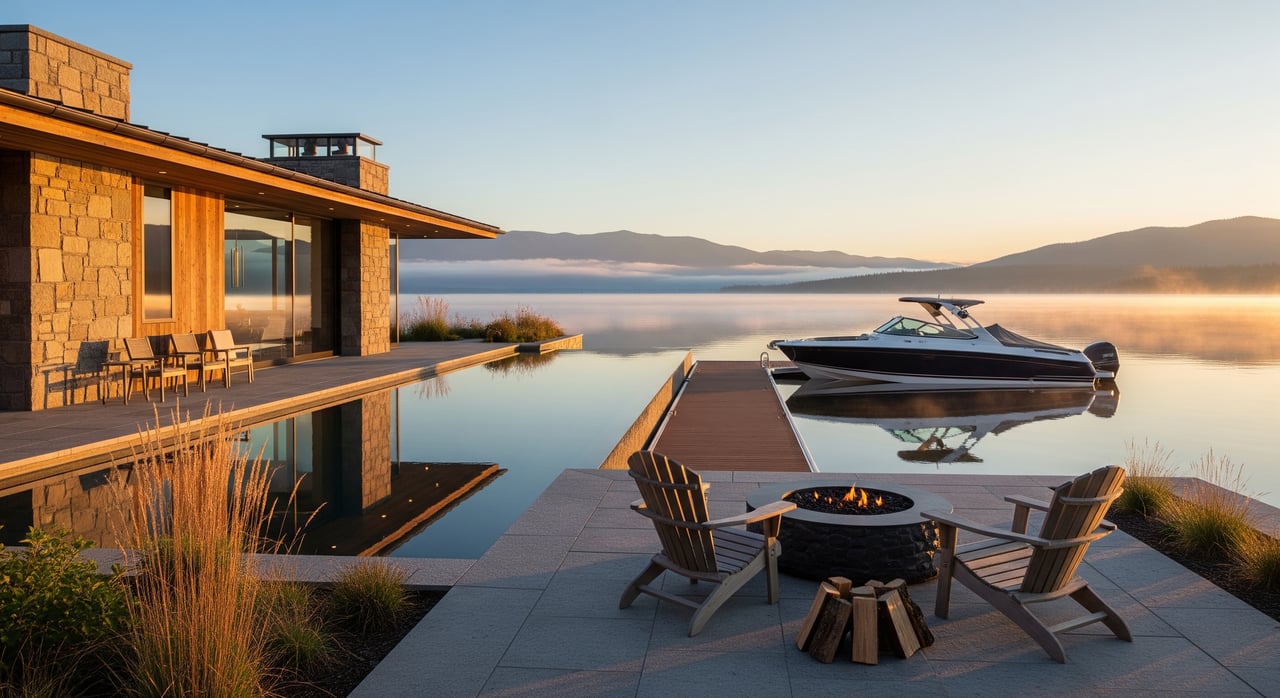
Thinking about making Coeur d’Alene your next home? You’ve probably seen the photos of clear water, pine trees, and a lively lakeside downtown. That’s real, and it shapes daily life here, but there’s more to know before you pack a moving truck. In this guide, you’ll learn how the seasons feel, where people live, how commuting works, what to expect from housing and ownership costs, and how to decide which area fits you best. Let’s dive in.
Coeur d’Alene at a glance
Coeur d’Alene is a small city with a regional pull in North Idaho. The city sits on Lake Coeur d’Alene and serves a wider Kootenai County market that has grown steadily in recent decades. You’ll find a mix of locals, retirees, remote workers, and transplants from higher-cost West Coast metros.
The economy blends healthcare, education, tourism and hospitality, retail, and construction. Kootenai Health, local school districts, and North Idaho College are major employers. Many residents work in town while others commute to the Spokane metro area in Washington.
Lifestyle-wise, you get small-city amenities with a friendly, relaxed pace. Summer brings a lively lake scene and busier weekends downtown. The rest of the year feels calmer, with easy access to trails, parks, and neighborhood routines.
Four-season living
You experience all four seasons here. Summers are generally warm and dry, winters are cold with snow, and spring and fall bring variable conditions. Microclimates show up around the lake and hills, so a downtown day can feel different than a ridge-top afternoon.
Summer
Summer is outdoor season. You’ll see boats on the lake, paddleboards near public beaches, and full patios along Sherman Avenue. Traffic and parking near popular lake access points and downtown can be tight on weekends, especially during events.
Wildfire smoke has become a seasonal consideration across the Inland Northwest. Air-quality advisories can affect outdoor plans, so build flexibility into your calendar if you’re sensitive to smoke.
Fall
Early fall often stays mild, with quieter trails and excellent foliage around the water. As tourist traffic tapers, you’ll notice easier parking and shorter waits at restaurants. Cooler evenings arrive quickly, so keep a jacket handy.
Winter
Winters bring regular snow and colder temps. Many residents embrace winter sports in the region, while day-to-day life shifts to winter driving and snow removal. If you’re moving from a mild climate, plan for winter tires, a snow shovel, and a solid morning routine on storm days.
Spring
Spring can be a mix. Expect some muddy weeks and the possibility of late snow. It’s a good time to scout neighborhoods, since you’ll see how properties handle thaw, drainage, and early yard maintenance.
Lake life and recreation
Lake Coeur d’Alene is the heart of local recreation. Public beaches, city parks, marinas, and lakeside trails give you options whether you own a boat or not. Popular access points can fill up on peak summer weekends, so timing matters.
Tubbs Hill, right by downtown, offers compact trails with classic lake views. You can go from coffee on Sherman Avenue to a shoreline hike in minutes. Golf is also a local draw, and regional ski areas and mountain-biking spots are typically within a 45 to 90 minute drive.
The events calendar leans seasonal, with races and festivals that bring energy to town. Expect a fun summer atmosphere and a more laid-back pace the rest of the year.
Dining, shops, and culture
Downtown’s Sherman Avenue is the center of dining and shopping. You’ll find independent restaurants, cafes, breweries, galleries, and boutiques. The scene shifts with the seasons, with a more visitor-forward feel in summer and a locals’ rhythm in shoulder months and winter.
Beyond downtown, everyday needs are covered by neighborhood groceries, pharmacies, and routine retail. For specialty items and larger stores, the regional choices in nearby Post Falls and the Spokane area broaden your options.
Neighborhoods and housing types
Housing around Coeur d’Alene is diverse, from historic in-town homes to new-build subdivisions and rural acreage. Your options and daily rhythm can vary a lot by area.
Downtown and near-lake areas
Close-in neighborhoods feature early-20th-century homes, updated cottages, condos, and some upscale properties. You get walkable access to restaurants, parks, and the waterfront. This area is ideal if you want a lifestyle anchored in downtown convenience.
Established residential areas
Areas like the South Hill offer a mix of single-family homes on modest lots. Streets feel settled, and you can find homes with classic layouts and established landscaping. These pockets often sit within easy reach of schools and everyday services.
Suburban and nearby communities
Post Falls, Rathdrum, Hayden, Dalton Gardens, and Hayden Lake have grown quickly over the past few decades. You’ll see larger subdivisions, newer construction, master-planned communities, and homes on larger lots. These areas may offer more space and newer finishes, with a car-forward lifestyle.
Rural and mountain properties
On the fringes of Kootenai County, properties range from cabins and manufactured homes to larger acreage with private wells and septic systems. Privacy and elbow room are the draw here. Build in time for due diligence on utilities, access, and winter maintenance.
What to expect on pricing
Home prices and inventory have fluctuated in recent years. You’ll find everything from modest in-town homes to luxury lakefront estates. Condos and townhomes are available but make up a smaller share of the market than single-family homes. For live pricing and neighborhood-specific trends, ask for current market reports and recent comps.
Ownership costs and rules to know
Idaho’s property taxes are administered at the state level with county assessments, and effective rates vary by jurisdiction and levies. Relative to some coastal metros, overall tax bills on similar values can be lower, but it depends on the specific property. For an exact estimate, review details with the Kootenai County Assessor.
Many newer subdivisions have HOAs. Lakefront communities and some condos may include association fees, covenants, and rules that affect everything from landscaping to short-term rentals. If you plan to rent seasonally, note that the City of Coeur d’Alene and Kootenai County regulate short-term rentals and require permits. Confirm current rules before you buy.
Beyond your mortgage, budget for utilities, snow removal or equipment, potential wildfire-related insurance considerations, and seasonal service costs when tourism peaks.
Getting around and commuting
Interstate 90 connects you east-west, linking Coeur d’Alene to Spokane and other parts of North Idaho. Many residents commute within the city, while some travel to regional job centers in Washington. Summer weekends can bring heavier traffic around lake access points and downtown.
Public transit options are limited compared to bigger metros, though you can find local fixed-route services within the city and county. Rideshare and taxis exist but are not as widespread as in large cities. For air travel, Spokane International Airport is the closest major airport, typically 35 to 60 minutes by car depending on route and traffic.
Schools and healthcare
Most of the city is served by Coeur d’Alene School District 271, with nearby districts serving parts of Kootenai County. Boundaries do not always match city limits, so verify the serving school for any address you’re considering. Private and parochial options are also available.
North Idaho College provides two-year degrees, workforce training, and community education. It adds to the local talent pipeline and offers convenient continuing education for residents.
Kootenai Health is the primary regional hospital system, offering emergency care and a range of specialties. Additional clinics and outpatient services are available across the city and county.
Jobs and who’s moving here
Local employment is anchored by healthcare, education, government, tourism, retail, and construction. Some residents commute west to the Spokane area for additional job opportunities. The area has also attracted retirees and remote workers who prioritize lifestyle, lake access, and four-season recreation.
Lake access and shorefront living
You can enjoy the lake without owning on the water. The city and county maintain public beaches, parks, and boat launches, though popular sites fill up during peak season. True lakefront homes are limited and command a premium due to scarce inventory and private shorefront ownership.
If easy water access is a priority, make a short list of favored beaches and marinas, then time your visits during peak weekends to gauge parking and crowd levels. For private docks or moorage, review permitting, water-level considerations, and seasonal use.
How to choose the right area
Use this quick checklist as you narrow options:
- Commute and travel: Where do you need to be weekly and how much driving fits your routine? Consider airport trips and regional errands.
- Lake proximity: Do you want walkable access to the waterfront or are you comfortable driving to launches and beaches?
- Housing type: Historic charm near downtown, newer builds in subdivisions, or privacy on acreage. Decide which trade-offs you prefer.
- Utilities and maintenance: City services vs well and septic, snow removal needs, and terrain for winter driving.
- HOA and rules: Comfort with covenants, fees, and short-term rental regulations if you plan to host.
- Budget and timing: Get current comps and lending options before you shop so you can move quickly on the right property.
How a local guide helps
A local agent can help you compare neighborhoods, confirm school boundaries, clarify property tax estimates, and navigate HOA and short-term rental rules. You also benefit from early alerts on new listings in tight micro-markets like near-lake corridors and specific subdivisions.
With MLS-first listing distribution, franchise-level marketing tools, and hands-on service, you get both visibility and clear guidance from tour to closing. If you’re weighing downtown walkability against a newer home in Hayden or considering acreage outside the city, personalized advice will save time and stress.
Ready to explore your options in Coeur d’Alene and greater Kootenai County? Connect with Natalie Priebe for a personalized market consultation and a custom plan that fits your goals and timeline.
FAQs
What daily life in Coeur d’Alene feels like
- Expect an outdoor-forward routine with a lively lake and downtown in summer, quieter streets in winter, and easy access to parks and trails year-round.
How seasons affect moving and home choice
- Plan for warm, dry summers and snowy winters; consider winter driving routes, snow removal, and how properties handle drainage during spring thaw.
What neighborhoods near the lake offer
- Close-in areas provide walkable access to restaurants, parks, and the waterfront, with a mix of historic homes, condos, and some higher-end properties.
How commuting and airport access work
- Interstate 90 connects the city regionally, and Spokane International Airport is usually a 35 to 60 minute drive depending on traffic and route.
What to know about schools and districts
- Coeur d’Alene School District 271 serves much of the city, but boundaries vary; verify the assigned schools for any property before making an offer.
How short-term rental rules apply
- The city and county regulate short-term rentals and require permits; review current ordinances and HOA covenants early if you plan to host.
What drives local housing costs
- Prices reflect a mix of in-town character homes, newer subdivisions, and limited lakefront inventory; request current comps to understand today’s market.