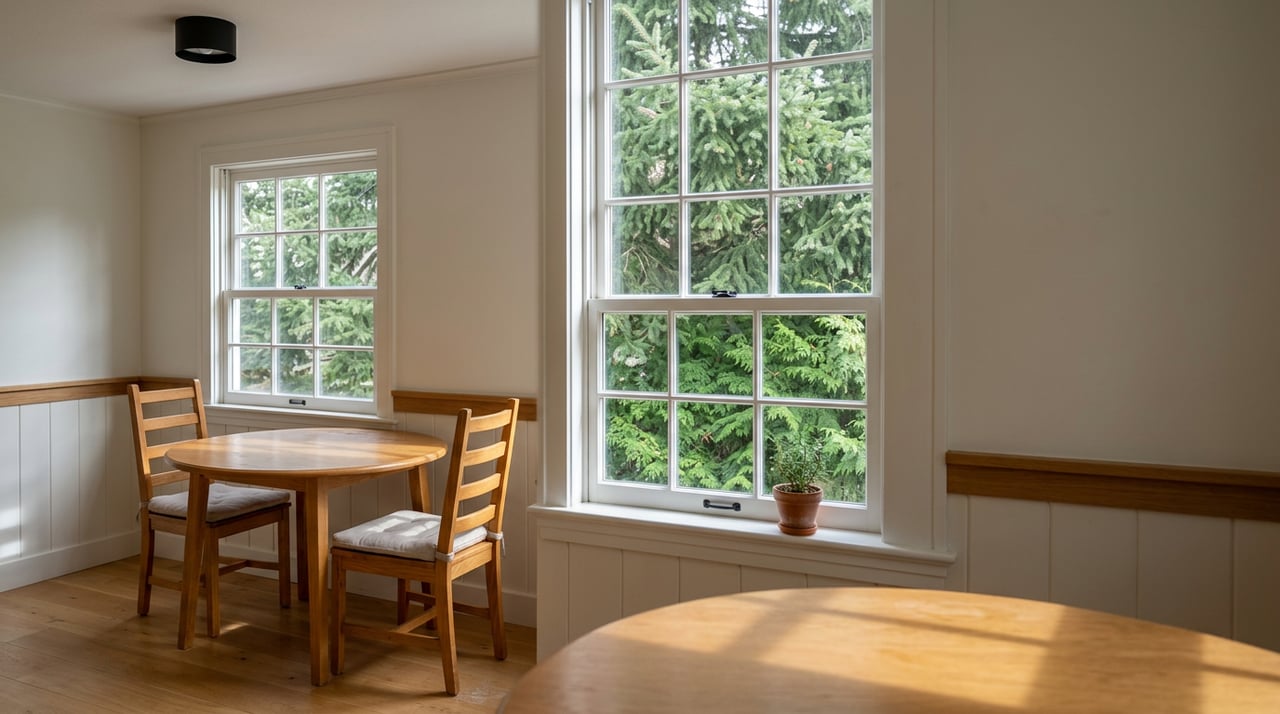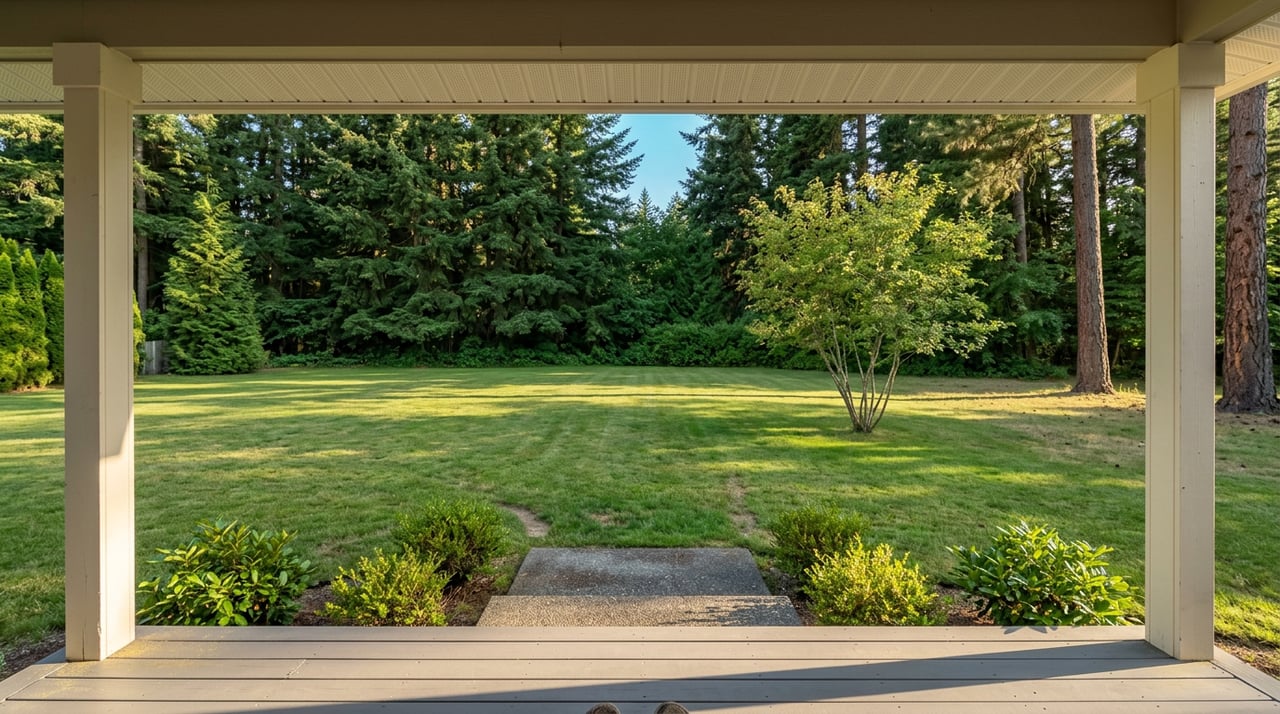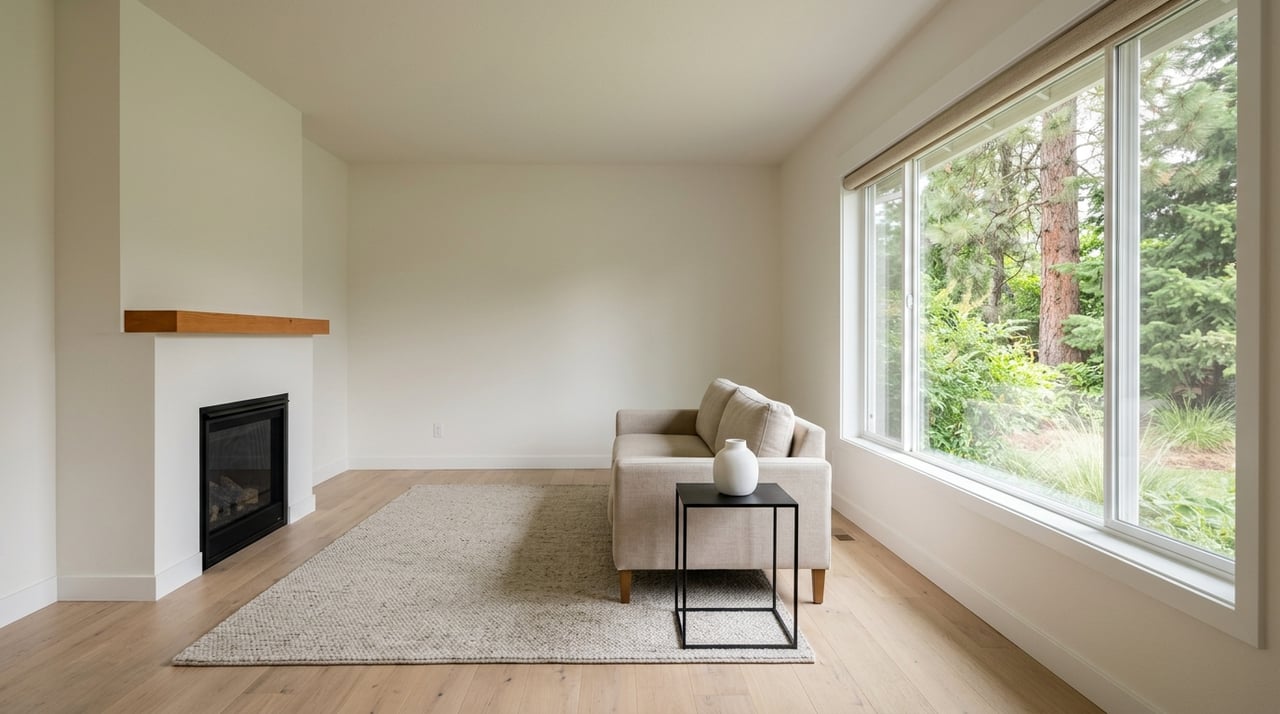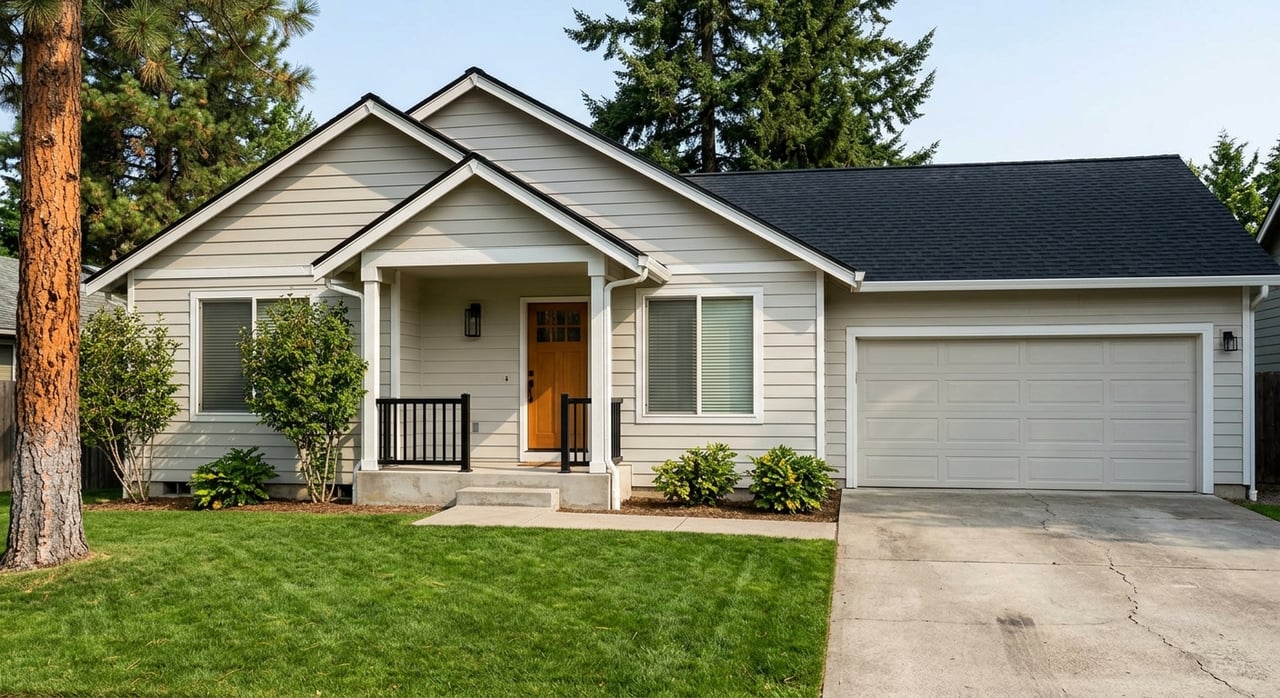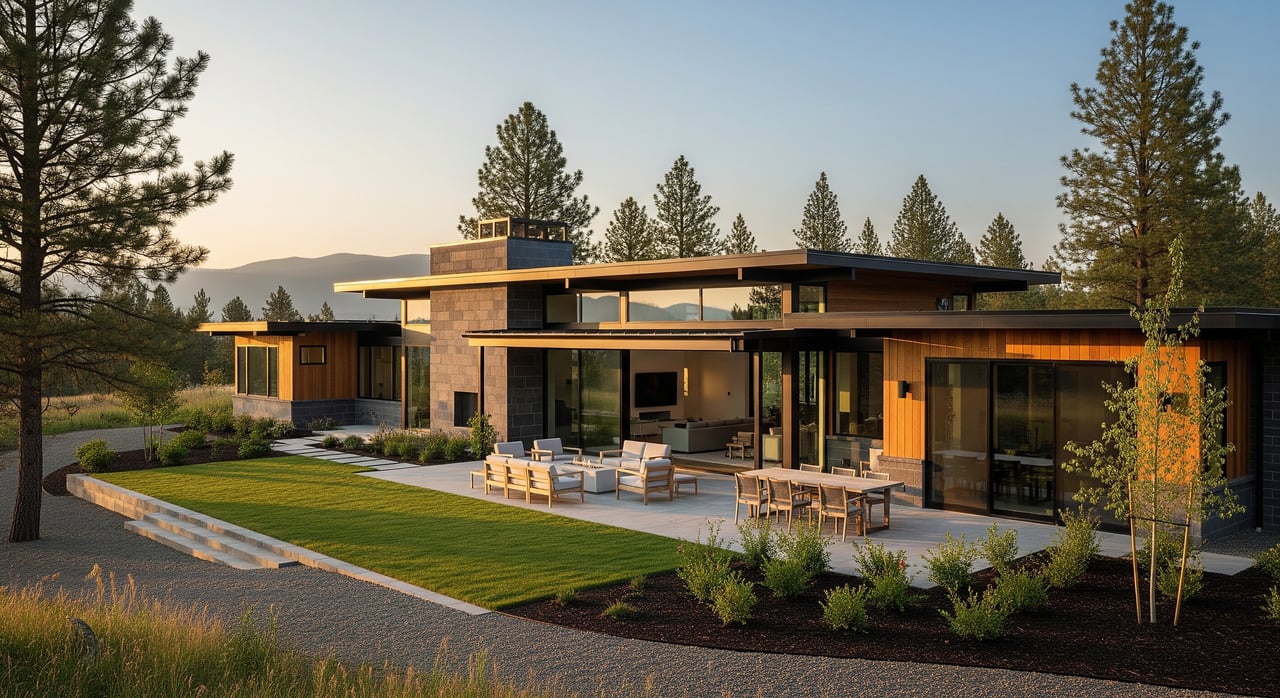
Thinking about a one-level home in Dalton Gardens? If you want space, privacy, and easy living without stairs, you are not alone. Many buyers here love the ranch style for how it fits the acreage lifestyle and day-to-day comfort. In this guide, you will learn why ranch homes are popular in Dalton Gardens, which features add real value, and what to check before you buy. Let’s dive in.
Why ranch fits Dalton Gardens
Dalton Gardens offers a semi-rural feel with larger lots compared with dense suburban neighborhoods. That makes a ranch home a natural fit. You can spread out living areas, a garage or shop, and outdoor spaces on one level without juggling stairs.
Single-level layouts support aging in place and reduce fall risk, which matters to many retirees and downsizers. Exterior upkeep is simpler too. One main roofline, easier gutter access, and straightforward yard access make maintenance more manageable year-round.
Across many U.S. markets, buyers 55 and older prefer single-level living and main-floor primary suites. In North Idaho, that preference lines up with the desire for space, outdoor recreation access, and lower-effort layouts.
Features that add value
Focus on features that make daily life easier now and keep options open for the future.
- Accessibility and aging-in-place: Main-floor primary suite, walk-in shower, wider doorways, zero-step or low-threshold entry, and no-step garage access.
- Functional flow: Open kitchen and living area, single-level laundry near bedrooms, and a mudroom with storage for boots and gear.
- Garage and shop space: Attached garages or a separate shop are common on acreage and highly useful for hobbies and storage.
- Low-maintenance exteriors: Durable siding like fiber cement or metal and long-lasting roof materials reduce upkeep. Simple, water-wise landscaping saves time.
- Outdoor living: Covered patios, easy ground-level transitions, and space for raised garden beds or a small shed.
- Energy efficiency: High-efficiency heat pumps rated for cold climates, upgraded insulation and air sealing, quality windows, and balanced ventilation improve comfort and bills.
- Future-proofing: Reinforced bathroom walls for grab bars and curbless shower options add long-term flexibility and resale appeal.
North Idaho site and climate essentials
North Idaho winters bring cold temperatures and snow. Roof design and snow load capacity are important. Metal roofs are common for snow shedding, but insulation and ventilation must be right so you avoid ice dams.
A single-level home can have a larger surface area per square foot, so insulation and airtightness matter more for heating costs and comfort. If the home uses a heat pump, make sure it is suitable for cold climates. Forced-air systems, boiler or radiant floor systems, and newer heat pumps are all common here.
On acreage, many homes rely on private wells and septic systems. Age, capacity, maintenance history, and setbacks all affect cost, safety, and usability. You can learn more about septic and well best practices from the Idaho Department of Environmental Quality and the Idaho Department of Water Resources.
Wildfire and flood exposure also matter. Dalton Gardens is within a broader wildland-urban interface, so defensible space and fire-resistant materials are wise. To review flood risk, use the FEMA Flood Map Service Center. For wildfire and defensible space guidance, consult the Idaho Department of Lands.
Red flags and inspection tips
A thorough inspection is essential, especially for single-level homes on larger lots.
- Foundation and crawlspace: Look for moisture intrusion, frost heave risk, proper ventilation, and adequate insulation. Verify crawlspace access and condition.
- Drainage and grading: Confirm that grading directs water away from the foundation. Gutters and downspouts should function well without standing water nearby.
- Roof condition: Check age, flashing, eaves, and whether snow guards are needed. Ask about past ice dam issues and insulation upgrades.
- HVAC and insulation: Review system age and service records. Ensure heating and ventilation are sized for a single-level footprint and cold-climate performance.
- Septic and well: Verify permits, capacity, and maintenance history. Ask for the last pump date and inspection, drainfield setbacks, and well yield and water quality tests. Septic replacement can be a major expense.
- Access and winter maintenance: Consider driveway length and grade. Confirm who maintains the road and snow removal arrangements.
- Outbuildings and easements: Verify recorded easements, right-of-way for utilities, and any covenants or restrictions.
- Wildfire defensible space: Look for clearance around the home and fire-resistant roof and siding materials.
Zoning, utilities, and future plans
Before planning a shop, accessory structure, or yard changes, confirm zoning, setbacks, and any covenants or restrictions. Rules differ between the City of Dalton Gardens and Kootenai County. If you want to add a garage or accessory dwelling unit, check buildable area, setbacks, and whether changes would impact septic or well design.
If a property has a septic or well, understand the system’s capacity and potential upgrade requirements if you plan to expand. Local planning and health departments can help you verify records and permit needs.
Energy and comfort upgrades that pay off
Cold winters make efficiency gains noticeable. Consider these upgrades if a ranch home needs improvements:
- High-efficiency, cold-climate heat pump or a well-maintained furnace or boiler. Learn about efficiency strategies at Energy.gov.
- Insulation and air sealing in the attic, walls, and crawlspace to reduce heat loss and drafts.
- Window improvements with energy-efficient glazing and proper installation.
- Balanced ventilation using HRV or ERV systems for fresh air without sacrificing warmth.
- Water heating tuned to your needs, such as a right-sized tank or a tankless system.
Smart shopping checklist
Use these steps to simplify your search and protect your budget:
- Set filters for a main-floor primary suite, single-level laundry, and an attached garage or shop.
- Require septic and well records, and get professional inspections. Factor potential replacement costs into your offer.
- Have the inspector evaluate roof and snow performance, HVAC sizing, insulation levels, and ventilation.
- Check access, driveway slope, and winter maintenance responsibilities before you commit.
- Confirm zoning and any covenants before planning outbuildings or major yard changes.
Resale considerations
Ranch homes in retirement-friendly areas tend to attract strong interest from older buyers and downsizers. Features that support aging in place can improve your home’s appeal, help market time, and support resale value. Because market conditions change, review current local data with your agent to understand how ranch homes are performing right now.
If you are comparing ranch options or prepping your home for the market in Dalton Gardens, you do not have to navigate it alone. Get local guidance and a clear plan with Natalie Priebe.
FAQs
Why are ranch-style homes popular in Dalton Gardens?
- Larger lots, single-level accessibility, simpler maintenance, and strong demand from retirees and downsizers make ranch homes a great fit for the area’s acreage lifestyle.
Are ranch homes good for North Idaho winters?
- Yes, with proper insulation, airtightness, and cold-climate-ready heating systems, ranch homes perform well even with the region’s snow and cold.
What inspections matter most for a ranch on acreage?
- Prioritize roof and snow performance, HVAC sizing, insulation and ventilation, grading and drainage, plus verified septic and well records and tests.
How do septic and well systems affect buying a ranch home?
- System age, capacity, setbacks, and maintenance history influence safety and cost; verify records and testing through inspections and local health guidance.
Can I add a shop or ADU to a Dalton Gardens ranch property?
- Possibly, but you must confirm zoning, setbacks, easements, covenants, and whether septic or well changes are required before planning any expansion.